
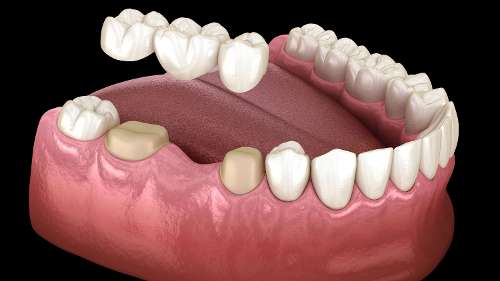
The consensus among dental professionals is that dental implants are generally the superior long-term option for replacing a single missing tooth, while a dental bridge is a better choice in specific circumstances where a quick, non-surgical, or initially more affordable solution is needed.
The "best" option depends entirely on your specific situation, priorities, and overall oral health.
Why Dental Implants Are Generally Considered Superior
Dental implants are often called the "gold standard" because they mimic a natural tooth root.
-
Preserve Jawbone Health (Key Advantage): The titanium implant post is surgically placed into the jawbone.
This stimulates the bone, preventing the bone loss (resorption) that naturally occurs after a tooth root is removed. Preventing bone loss helps maintain the structure of your jaw and face. -
Do Not Damage Adjacent Teeth: Implants are standalone replacements. They do not require the healthy teeth next to the gap to be filed down or altered, preserving the health of your remaining natural teeth.
-
Longevity and Durability: With proper care, the implant post can last a lifetime.
The crown on top may need to be replaced every 10–15 years, but the anchor itself is permanent. -
Natural Feel and Function: Implants are highly stable, allowing you to eat, speak, and smile with confidence, just like a natural tooth.
When a Dental Bridge May Be the Better Option
A traditional dental bridge "bridges" the gap by attaching an artificial tooth to crowns placed on the adjacent natural teeth.
-
Faster Treatment Time: The entire process is non-surgical and typically completed in a few weeks, compared to several months for an implant to heal.
-
Lower Initial Cost: The upfront cost of a bridge is generally lower than an implant, and bridges are more frequently covered by dental insurance.
-
Compromised Adjacent Teeth: If the teeth next to the gap are already damaged (e.g., have large fillings or need crowns), a bridge is a practical solution that replaces the missing tooth while restoring the neighboring teeth simultaneously.
-
Inadequate Bone or Medical Issues: If you have significant bone loss and cannot undergo a bone graft, or if certain medical conditions prevent you from having oral surgery, a bridge is a less invasive alternative.
Quick Comparison
| Feature | Dental Implant | Dental Bridge |
|---|---|---|
| Long-Term Health | Excellent: Preserves jawbone and surrounding teeth. | Fair: Does not prevent bone loss; requires altering (grinding down) healthy adjacent teeth. |
| Lifespan | Permanent (post), 10-15 years (crown). | Limited: 5–15 years, often requiring eventual replacement. |
| Procedure | Surgical (more invasive). | Non-surgical (less invasive). |
| Upfront Cost | Higher. | Lower. |
| Long-Term Cost | More cost-effective over a lifetime due to durability. | Can be more costly over time due to replacement needs. |
The most crucial step is to consult with your dentist or a specialist. They will examine your mouth, evaluate your bone density, and recommend the best treatment based on your unique needs and goals.